






Understanding Jueteng: An In-Depth Look at its Impact in the Philippines
Understanding Jueteng: An In-Depth Look at its Impact in the Philippines
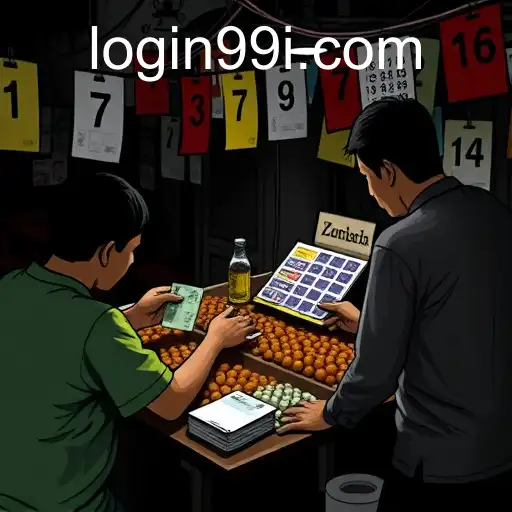
Jueteng is a popular numbers game that has been a staple in the lives of many Filipinos for decades. Despite its illegal status, it remains widely played across the Philippines, mainly in urban and rural communities alike. The game has become deeply integrated into the culture and daily life in many areas, reflecting deep-rooted social and economic issues.
What is Jueteng?
Jueteng is essentially an illegal lottery game predominantly played in the Philippines. It involves the drawing of numbers ranging from 1 to 37. Players bet on number combinations, and winners are determined through a nightly draw. In many ways, this game is akin to the more formal and legal lottery systems seen in other countries, but it operates outside of governmental regulation and oversight.
Historical Background
The origins of jueteng can be traced back to the Spanish colonial era when it first began as a pastime for Chinese immigrants. Over time, it evolved into a widespread activity embraced by diverse segments of the population. Its persistence throughout decades provides a lens through which to view cultural resilience and adaptation, reflecting a community's way of responding to larger socio-economic forces.
The Mechanics of Jueteng
To understand jueteng, one must first grasp its basic mechanics. Participants place their bets by choosing a combination of two numbers between 1 and 37. These combinations are generally chosen through personal superstitions or past winning trends. Bets are collected by 'cobradores,' who are in charge of gathering entries from various players. The winning numbers are drawn through a random selection process, often involving a makeshift setup using wooden balls or paper tags.
The Economic and Social Impact of Jueteng
Jueteng plays a significant role in the local economies where it thrives. For many Filipinos, it is more than just a game; it is a means to support livelihood, albeit illegally. In economically underdeveloped regions, jueteng acts as an informal financial institution. It provides immediate cash opportunities for small entrepreneurs and individuals who struggle within the formal economy. The proceeds are often reinvested into the community, funding local infrastructure or supporting residents in other informal capacities.
Jueteng and the Underground Economy
The persistence of jueteng is a testament to the undercurrents of an underground economy in the Philippines. This sub-economy thrives on the peripheries of legality, operating parallel to official channels. Jueteng, much like other aspects of informal economies, highlights the significant divide between formal institutional frameworks and real-world economic realities for many communities. Understanding this divide is crucial for policymakers aiming to transition informal activities into legitimate economic contributions.
A Nexus of Corruption
While jueteng offers economic opportunities, it also perpetuates corruption within governmental and law enforcement frameworks. The game thrives partly due to the complicity of authorities who often receive bribes to allow operations to continue unencumbered. This relationship creates a cycle of dependency and obligation, weakening institutional integrity and undermining the rule of law. For reform efforts to succeed, there must be a concerted effort to strengthen transparency and accountability within these structures.
The Implications of Legalizing Jueteng
The question of legalizing jueteng has been a hot topic in Philippine society for many years. Proponents argue that by bringing jueteng into the legal fold, it could be regulated effectively, reducing corruption while generating substantial tax revenue. Such a shift could potentially reframe jueteng from a clandestine activity to one that contributes positively to national development goals.
Lessons from Other Jurisdictions
Looking at international examples of legalized gambling provides some insights. In places where gambling is legal, regulatory frameworks ensure that proceeds from gaming activities contribute significantly to public welfare and infrastructure projects. Policies can be drafted to incorporate measures that protect vulnerable groups from the potential harms of gambling addiction, while boosting fiscal inputs for wide-ranging community benefits.
Resistance and Challenges
Despite the potential benefits of legalization, resistance comes from multiple fronts. Religious organizations and community leaders often express deep opposition, citing moral and ethical concerns. This stance is predicated on the belief that legalizing jueteng would signal acceptance of gambling as a societal norm, possibly exacerbating social ills related to gambling dependency. These concerns necessitate a balanced approach, integrating pragmatic policy solutions with community engagement to ensure broad-based support and understanding across different societal factions.
99i PH Login: The Digital Shift in the Gambling Space
As the gambling landscape continues to evolve, digital platforms like 99i PH are emerging as significant players. These platforms provide an opportunity to modernize traditional gambling practices such as jueteng, offering a safer and potentially more transparent avenue for betting activities. Through 99i PH, users can engage with various forms of gambling through an online interface, ensuring efficient and discreet participation.
The Role of Technology
Technology's role in transforming gambling cannot be overstated. Digital platforms offer convenience and anonymity, attracting a new generation of users who prioritize efficiency and security. Through secure login systems and digital wallets, platforms like 99i PH enhance user experience while mitigating the risks associated with traditional clandestine operations.
Regulatory Considerations
With the rise of digital gambling, regulatory frameworks must evolve to address new challenges. This includes ensuring the security of user data, preventing underage gambling, and maintaining fair operations. By proactively adopting regulations that safeguard against potential misuse, stakeholders can balance innovation with consumer protection, ensuring a responsible gambling environment.
As the Philippines navigates the complexities of integrating traditional activities like jueteng into the digital world, there is a critical need for comprehensive policies that consider economic realities, societal values, and technological advancements. Only through a multi-faceted approach can the country hope to address the ongoing challenges while harnessing the full potential of its gambling industry.
Diving into MadHitJokester: A New Gaming Experience

Discover the intriguing world of MadHitJokester and learn how to navigate its unique gameplay, rules, and features.
2026-07-01
The Exciting World of Spindrift2: A Comprehensive Guide

Dive into the captivating universe of Spindrift2, a thrilling game that's capturing the imagination of players worldwide. Learn about its features, gameplay mechanics, and how current events shape the evolving landscape of online gaming.
2026-06-30
Exploring EyeOnTheMoney: A Comprehensive Guide to the Game and 99i PH Login

Discover the thrilling world of EyeOnTheMoney, its rules, and the buzz around the 99i PH Login.
2026-06-29
Exploring the Thrilling World of PenaltySeries with 99i PH Login

Dive into the captivating universe of PenaltySeries, a game that revolutionizes the online penalty shootout experience, enriched by the seamless access provided by 99i PH Login.
2026-06-28

 download apk/ios